
Fresh Sustainability Insights That Move Decisions
Bite-size reads from our syndicated research and workflows—built to convert learnings into action.
Showing 12 of 43 results
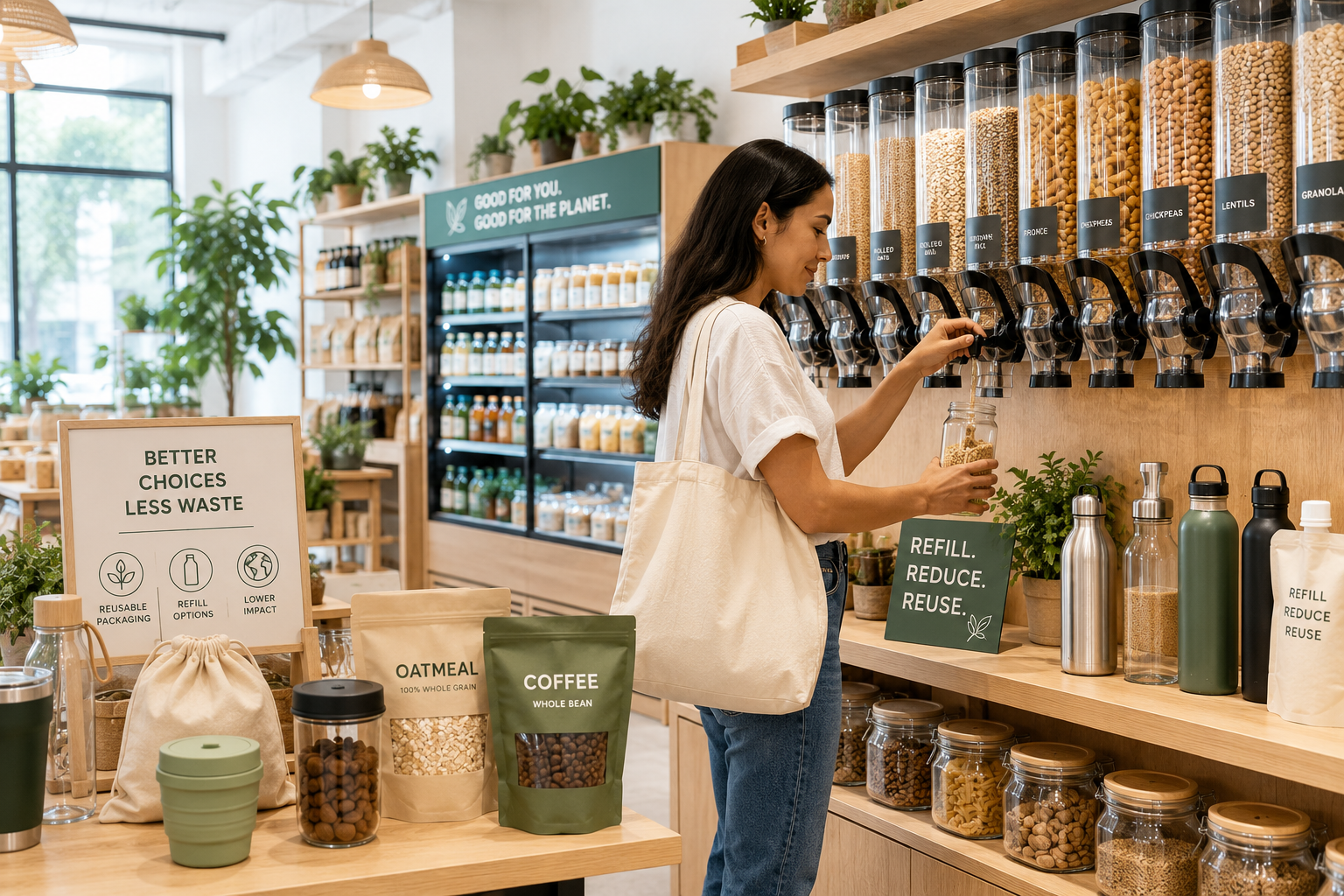
Refillable Food and Beverage Packaging Has Real Consumer Interest and Real Barriers Brands Need to Address
Consumer interest in sustainable packaging alternatives is growing, and refillable and reusable formats are increasingly part of that conversation, particularly for food and beverages, one of the product categories where
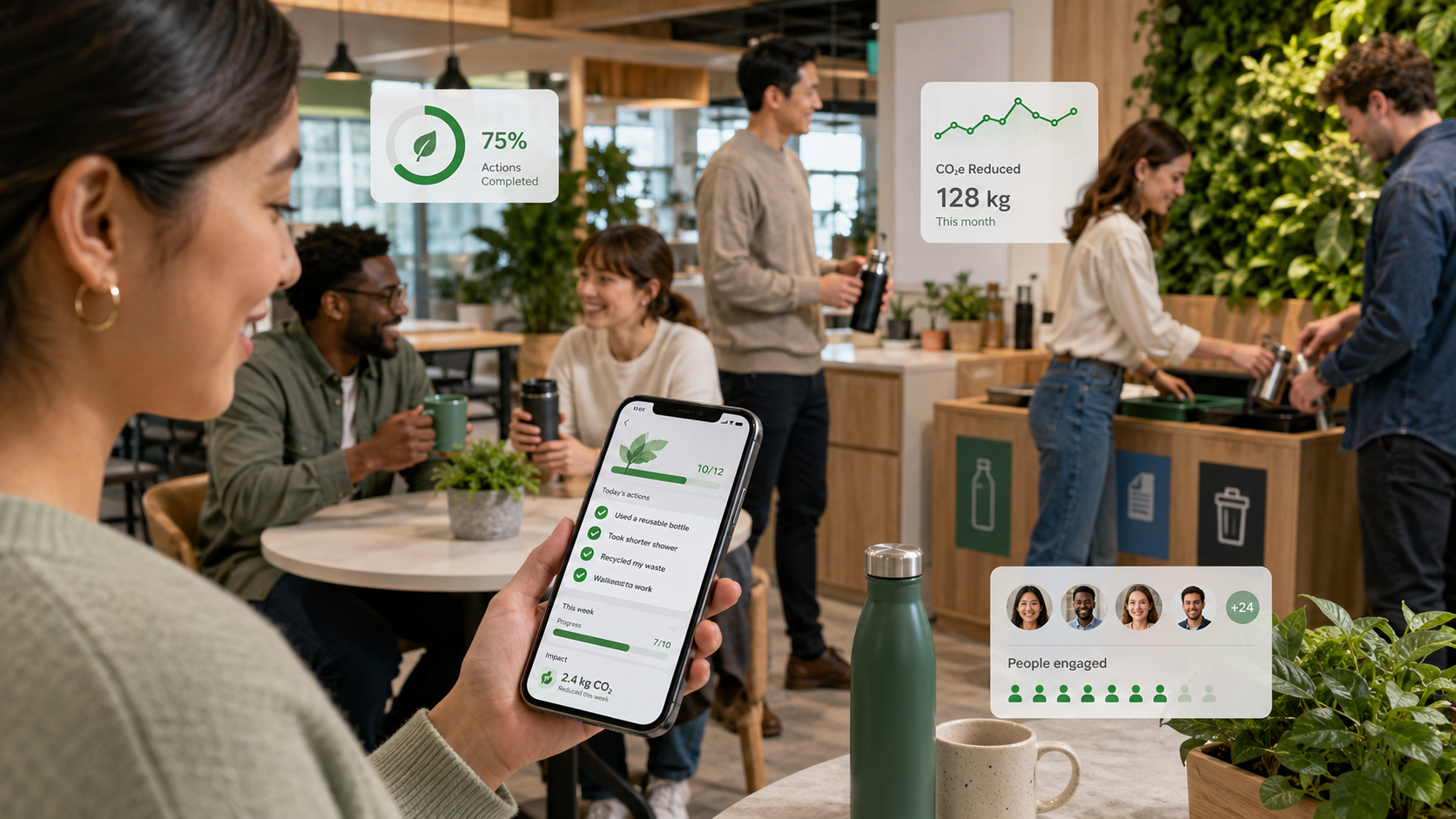
Most Employees Are Ready to Act on Sustainability at Work. Is Your Company Giving Them the Chance?
The barrier to workplace sustainability engagement isn't employee attitudes — it's access
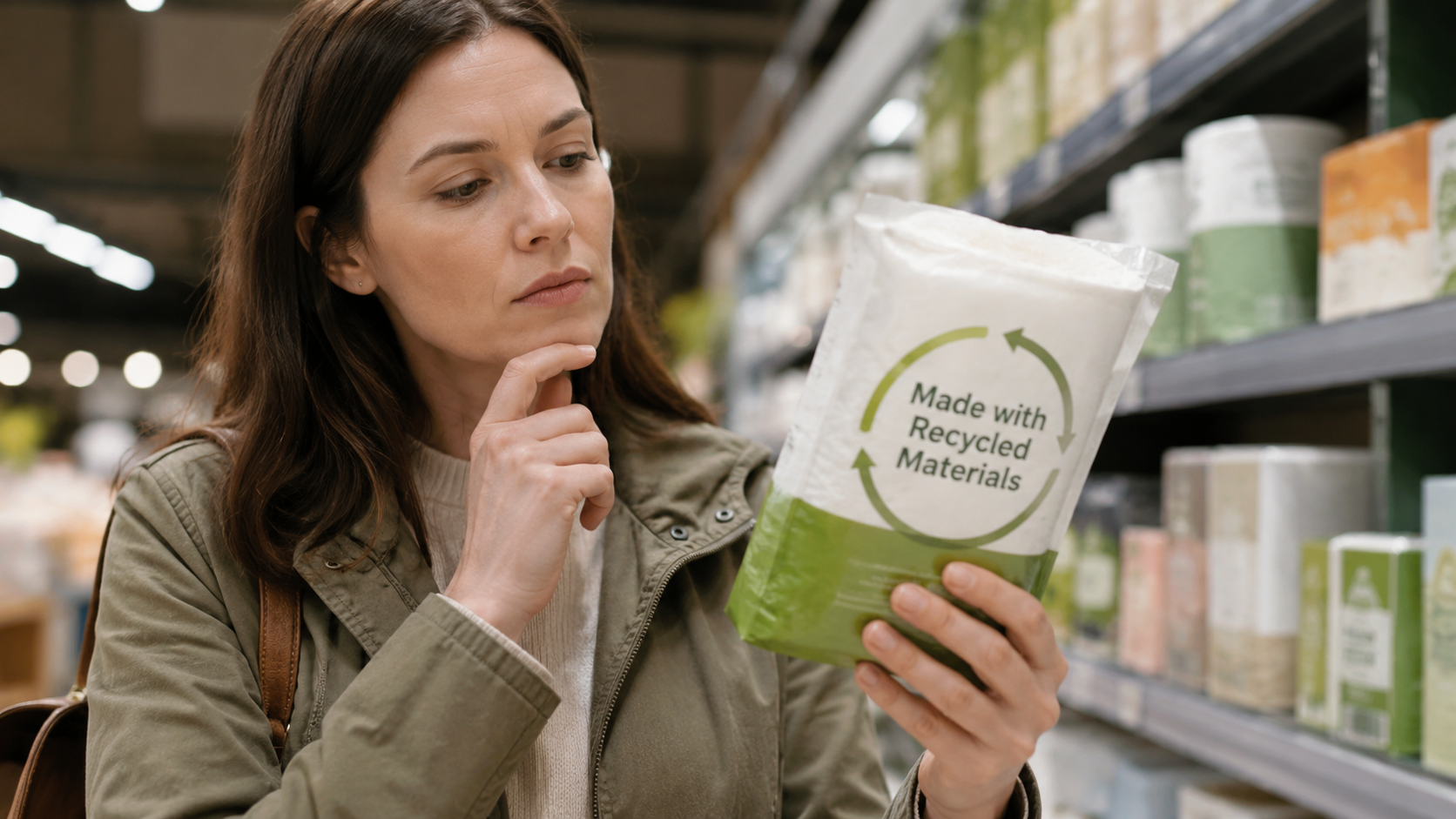
Recycled Content Resonates With Consumers, but Trust Gaps Are Too Significant to Ignore
Plastic Free Month puts a spotlight on one of the most visible tools brands have deployed in response to consumer concern about packaging waste: recycled content. For brands that have invested in recycled materials, the
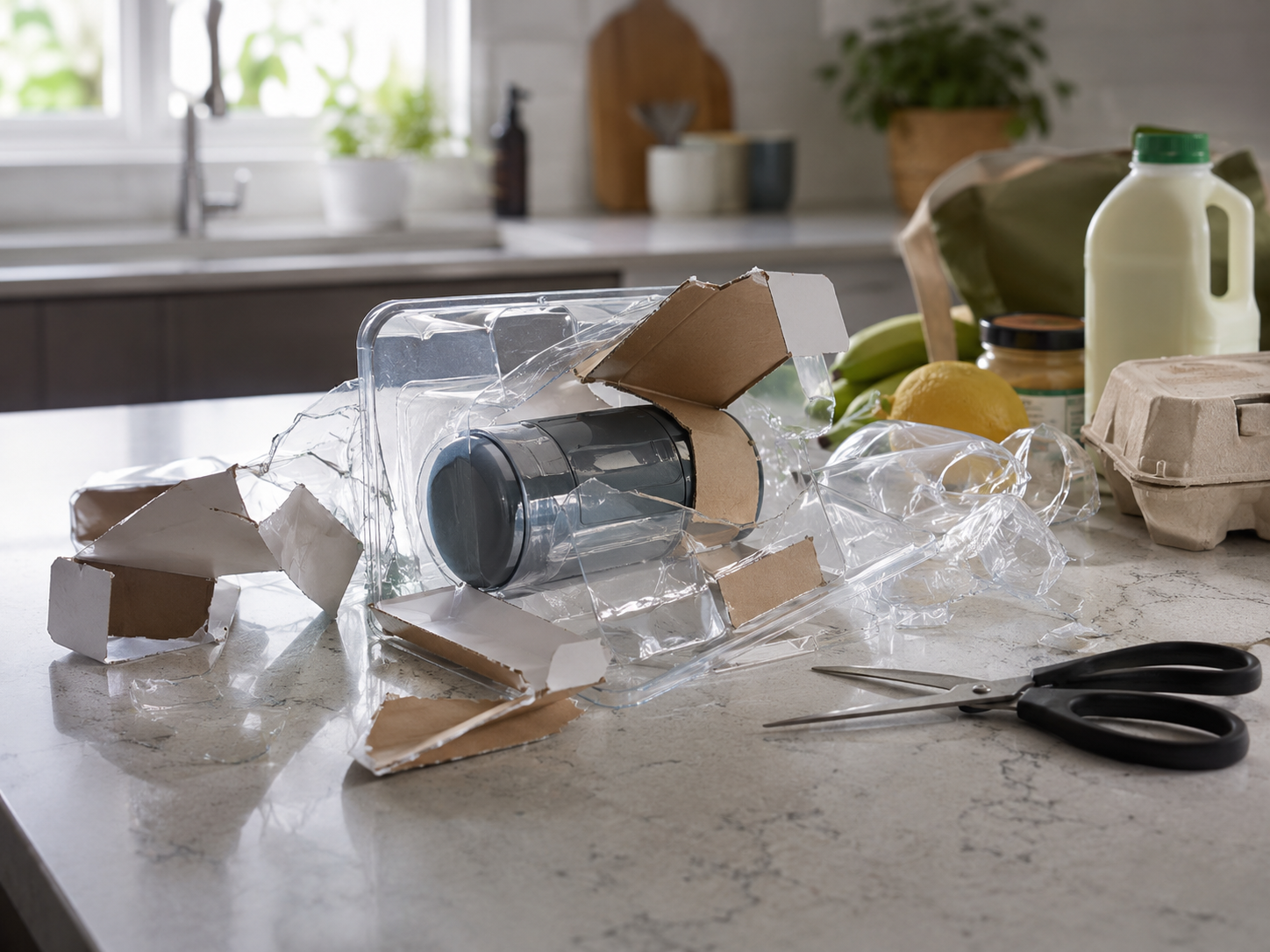
Packaging Isn't Just a Cost Decision — It's a Brand Switching Risk
Three in four consumers have had concerns about product packaging.
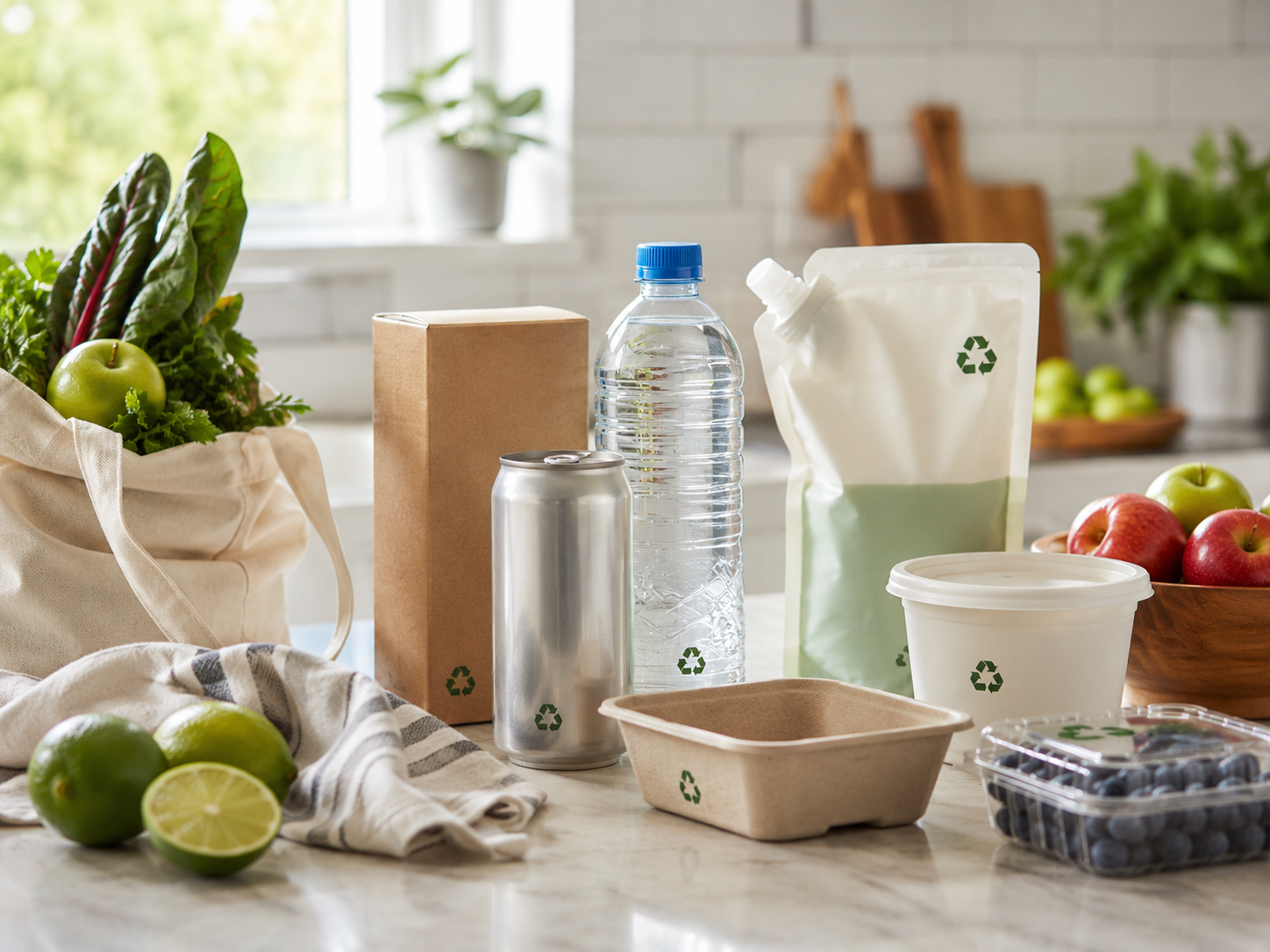
Personal Benefit Drives Sustainability Choices for Many Consumers - Brans That Miss That Are Missing Half the Conversation
For most Americans, health and sustainability are connected — but that connection doesn't look the same for everyone.
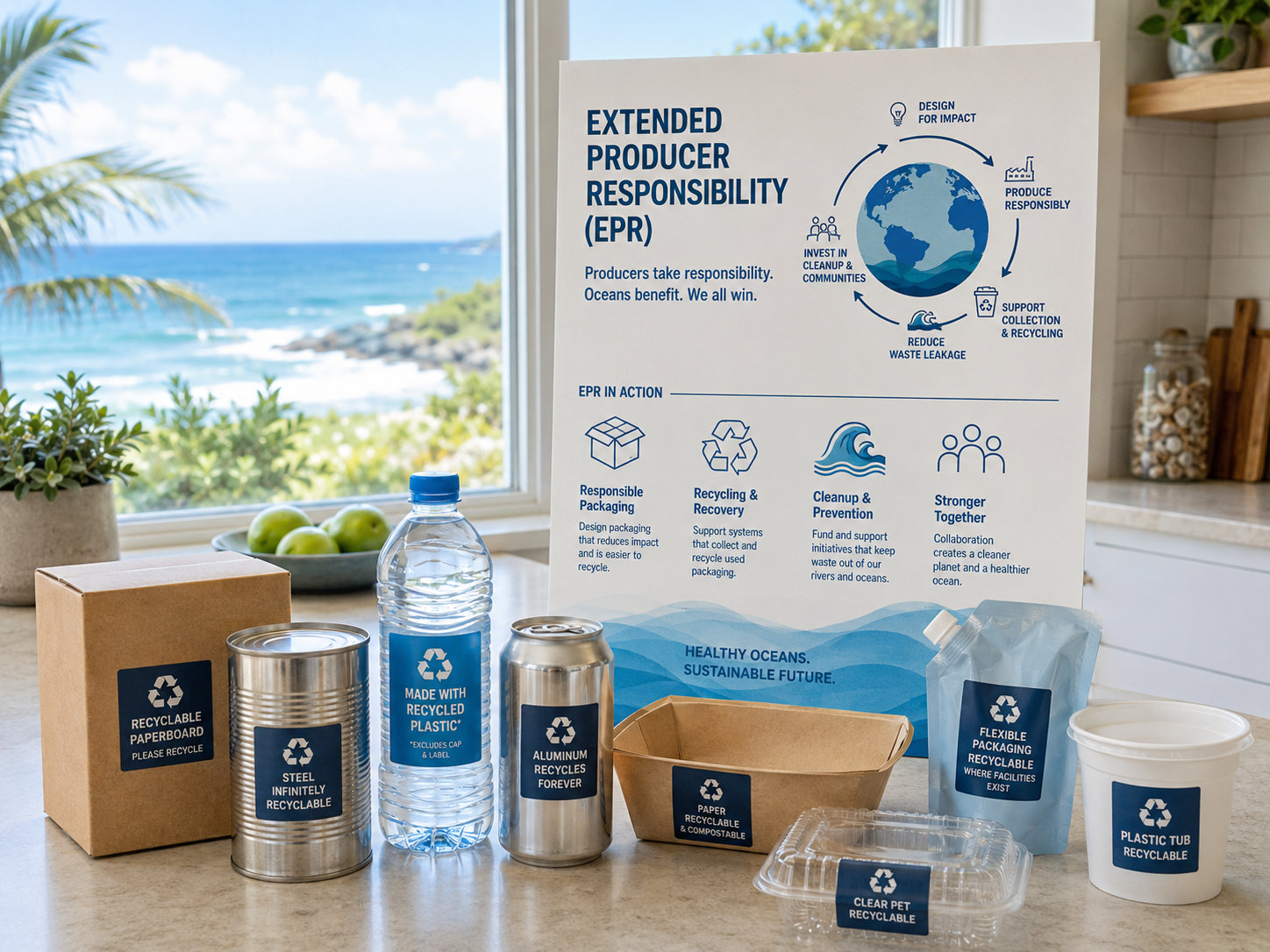
Most Americans Have Never Heard of EPR — But Once They Do, They're on Board
Every June, World Oceans Day draws attention to the health of our oceans and the urgent need to reduce the plastic waste that threatens marine ecosystems. Extended Producer Responsibility (EPR) is advancing across the U.

Biodiversity Is Gaining Ground as a Brand Message — but the Practices Behind It Still Need a Story
Protecting the variety of life on our planet is as urgent as addressing climate change — and consumers are making that connection too.

In the Cleaning Aisle, Green Credentials Matter - but Only After the Basics Are Met
Household cleaning products are one of the categories where eco-conscious consumers care most about buying sustainable products — but the path to purchase for green choices in the cleaning aisle is complex.

Being a Green Employer Matters, Especially if Your Employees are Young or Have Kids
Sustainability has entered the hiring conversation — whether employers know it or not.

Bike to Work Week Is a Reminder to Employers to Do More
Bike to Work Week, May 11-15, is an annual reminder that the commute is one of the most direct ways individuals can reduce their environmental footprint. But how much are employers doing to make that choice easier?
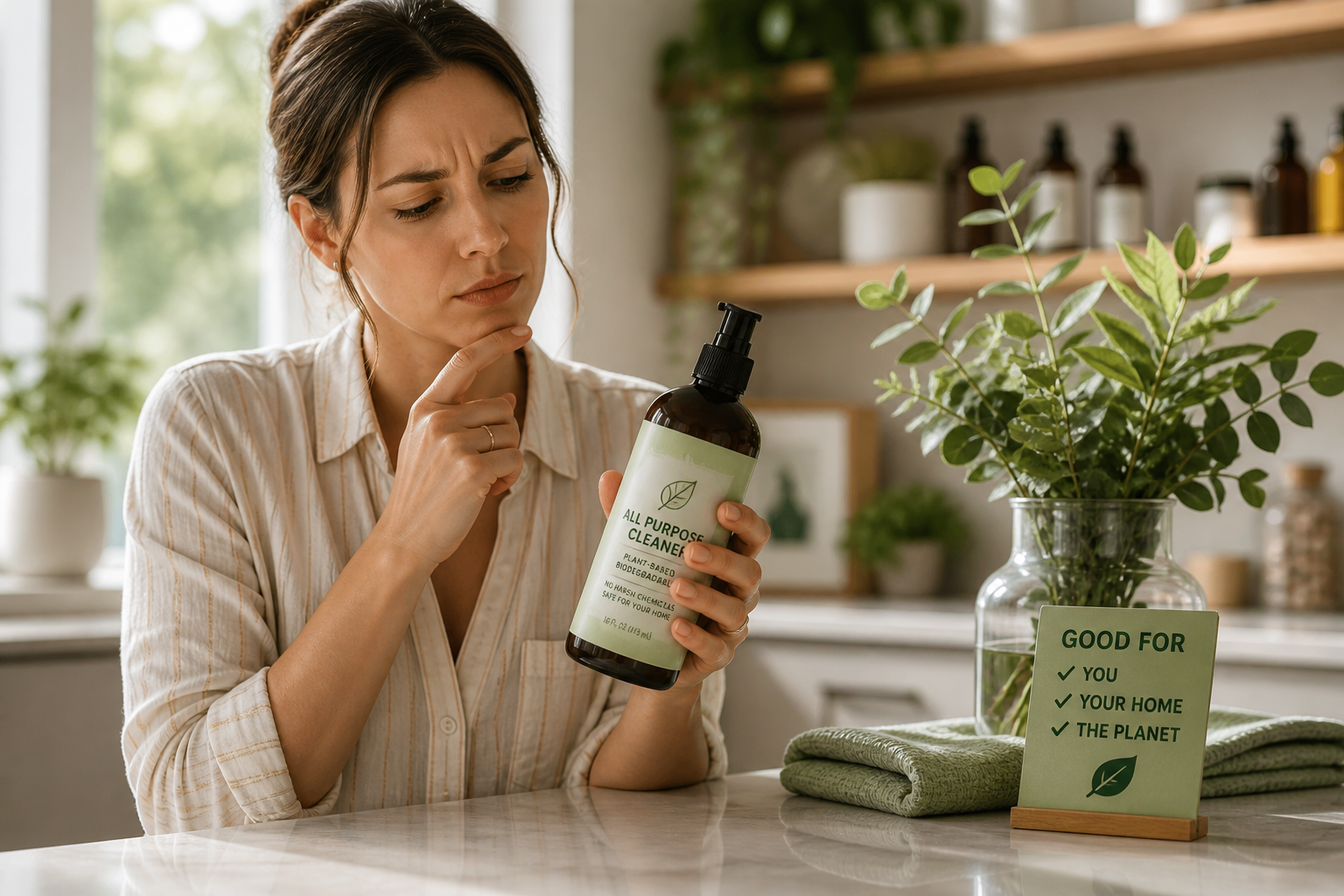
Consumers Want to Believe Green Claims - But Trust has to be Earned
For every consumer who trusts a green claim, another one doubts it

Food, Cleaning, Personal Care: Where Sustainable Expectations are Highest
Sustainability is a real purchase driver — just not always the loudest one
Refillable Food and Beverage Packaging Has Real Consumer Interest and Real Barriers Brands Need to Address
Consumer interest in sustainable packaging alternatives is growing, and refillable and reusable formats are increasingly part of that conversation, particularly for food and beverages, one of the product categories where
Most Employees Are Ready to Act on Sustainability at Work. Is Your Company Giving Them the Chance?
The barrier to workplace sustainability engagement isn't employee attitudes — it's access
Recycled Content Resonates With Consumers, but Trust Gaps Are Too Significant to Ignore
Plastic Free Month puts a spotlight on one of the most visible tools brands have deployed in response to consumer concern about packaging waste: recycled content. For brands that have invested in recycled materials, the
Packaging Isn't Just a Cost Decision — It's a Brand Switching Risk
Three in four consumers have had concerns about product packaging.
Personal Benefit Drives Sustainability Choices for Many Consumers - Brans That Miss That Are Missing Half the Conversation
For most Americans, health and sustainability are connected — but that connection doesn't look the same for everyone.
Most Americans Have Never Heard of EPR — But Once They Do, They're on Board
Every June, World Oceans Day draws attention to the health of our oceans and the urgent need to reduce the plastic waste that threatens marine ecosystems. Extended Producer Responsibility (EPR) is advancing across the U.
Biodiversity Is Gaining Ground as a Brand Message — but the Practices Behind It Still Need a Story
Protecting the variety of life on our planet is as urgent as addressing climate change — and consumers are making that connection too.
In the Cleaning Aisle, Green Credentials Matter - but Only After the Basics Are Met
Household cleaning products are one of the categories where eco-conscious consumers care most about buying sustainable products — but the path to purchase for green choices in the cleaning aisle is complex.
Being a Green Employer Matters, Especially if Your Employees are Young or Have Kids
Sustainability has entered the hiring conversation — whether employers know it or not.
Bike to Work Week Is a Reminder to Employers to Do More
Bike to Work Week, May 11-15, is an annual reminder that the commute is one of the most direct ways individuals can reduce their environmental footprint. But how much are employers doing to make that choice easier?
Consumers Want to Believe Green Claims - But Trust has to be Earned
For every consumer who trusts a green claim, another one doubts it
Food, Cleaning, Personal Care: Where Sustainable Expectations are Highest
Sustainability is a real purchase driver — just not always the loudest one
Get EcoFocus Insights in your inbox
Articles, trend callouts, and report highlights. No spam—unsubscribe anytime.
We’ll email you EcoNuggets. See our Privacy Policy.